A Hidden World on the Old Tip
After several days of rain, it was good to get out on Saturday morning for a stroll around the old town tip at Hogshaw. I wasn’t looking for anything in particular. But Hogshaw is always full of surprises and the rewilded landscape of Hogshaw Old Town Tip, where nature has returned over the last 40 years, there are always surprises. The damp and mild weather that we have been experiencing recently has been good for fungi. And after a brief search, I came across one minor but significant sign of the area’s health, the Candlesnuff Fungus (Xylaria hypoxylon). This often-overlooked fungus shows why this former landfill, (with unknown quantities of toxic chemicals and asbestos) railway siding, and engineering yard is now a valuable natural resource that deserves protection.
Identifying the Candlesnuff Fungus
The Candlesnuff Fungus is easy to spot, especially during wet seasons.
• It grows as small, upright, stick-like shapes, often branching like tiny antlers. This is why it is sometimes called “Stag’s Horn Fungus.”
• It has two colours—a dark, sooty black base and a powdery white or grey tip. The white part is a mass of asexual spores, making it look, allegedly, like a candle wick that has just been put out.
• It usually only grows on dead, decaying wood.
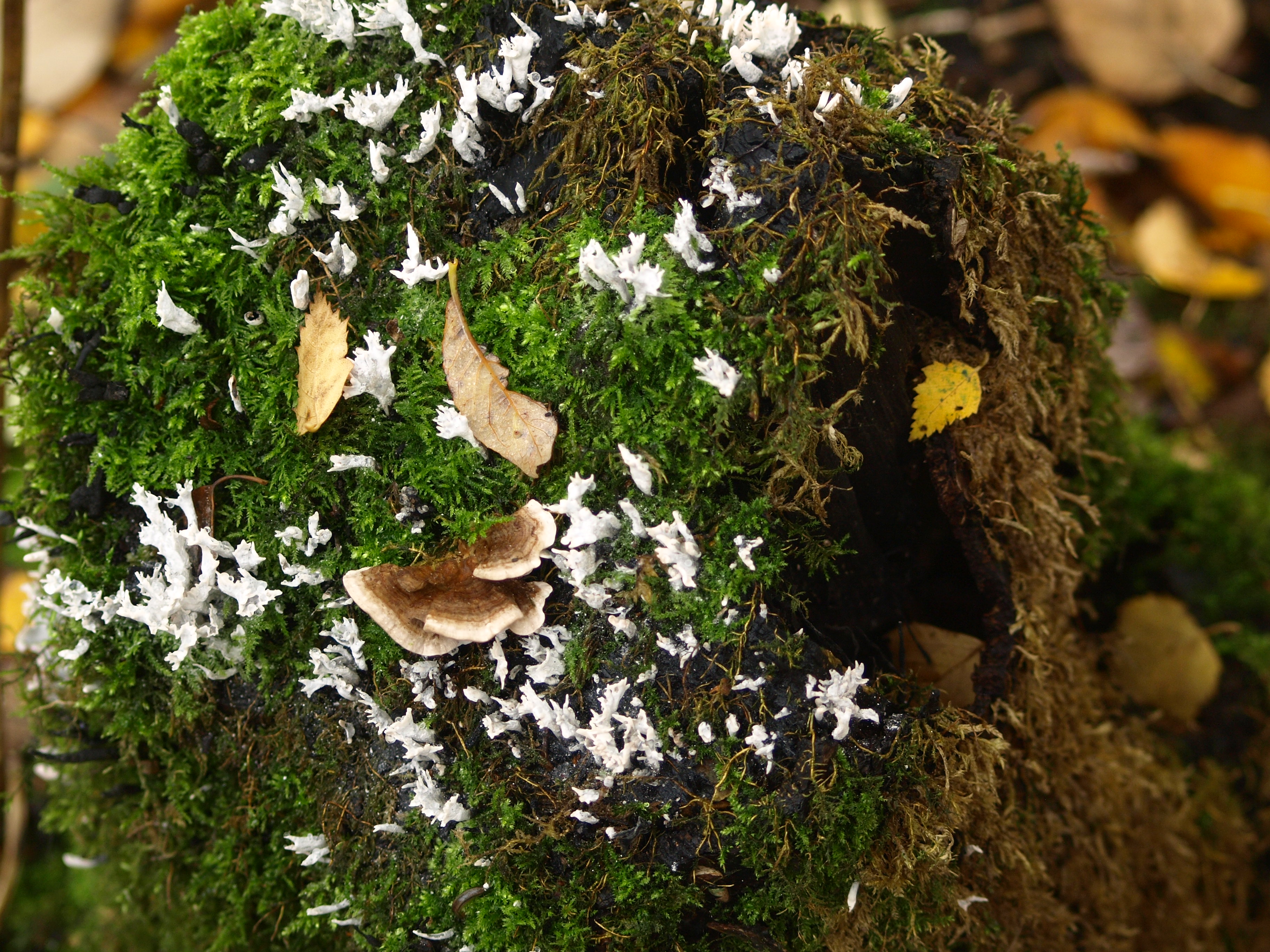
Finding the Candlesnuff Fungus at Hogshaw Tip shows that the ecosystem is healthy and working well. It plays an important role in the ecosystem of Hogshaw.
It is one of natures recyclers. Candlesnuff is a saprobic fungus, which means it feeds on dead wood. Along with other fungi, it breaks down the tough parts of wood (saprobiotic nutrition)and returns important nutrients to the soil. This helps new plants grow, including the trees, shrubs, and wildflowers that make Hogshaw Tip so full of life.
It provides a stable environment. The fact that it thrives here shows the area has matured enough to support the full cycle of growth, decay, and renewal. This process takes many years to become established.
It provides a habitat for invertebrates. The rotting wood that the fungus breaks down is home to many invertebrates. These small creatures then become food for birds, hedgehogs, and other animals, so providing an important food chain.
The Case for Conservation
The healthy ecosystem, shown by species like the Candlesnuff Fungus, proves how valuable Hogshaw Old Town Tip is.
This rewilded area is both a living laboratory and a safe place for wildlife. Building here would destroy the complex, long-standing cycles that sustain this biodiversity.
The tip is not just a resource for wildlife; it is a crucial green space for the community, offering fresh air, tranquillity, and a place to connect with nature.
The Candlesnuff Fungus is a quiet sign of Hogshaw Tip’s ecological success. We need to protect this natural heritage from development so it remains valuable for wildlife and future generations.
The Candlesnuff Fungus may be small, but it is essential in a natural cycle that has taken decades to form. We must choose whether to cover up 40 years of rewilding for housing or to protect this unique natural resource for both wildlife and people.
 curlewsinthegoyt